Key Licensing Authorities in Asia and What They Mean for Players
In today’s online gaming environment, licensing plays a critical role in ensuring fairness, security, and trust. As the industry continues to grow across Asia, understanding how licensing authorities operate can help players make more informed decisions when choosing platforms.
This article explores the major licensing authorities influencing the Asian market, how they function, and what their presence means for players seeking a safe and transparent gaming experience.
Why Licensing Matters in Online Gaming
Licensing is more than a formality—it serves as a foundation for accountability. A licensed platform is required to meet specific standards set by regulatory bodies, covering everything from financial transparency to player protection mechanisms.
Without proper licensing, there is little assurance that a platform operates fairly or securely. This is why experienced players often prioritize platforms backed by recognized authorities.
Core Functions of Licensing Authorities
Licensing bodies typically oversee several key areas:
- Verification of operator legitimacy
- Monitoring of fair play systems
- Enforcement of responsible gaming measures
- Protection of player funds and data
These functions contribute to a more stable and trustworthy ecosystem for all participants.
Prominent Licensing Authorities Influencing Asia
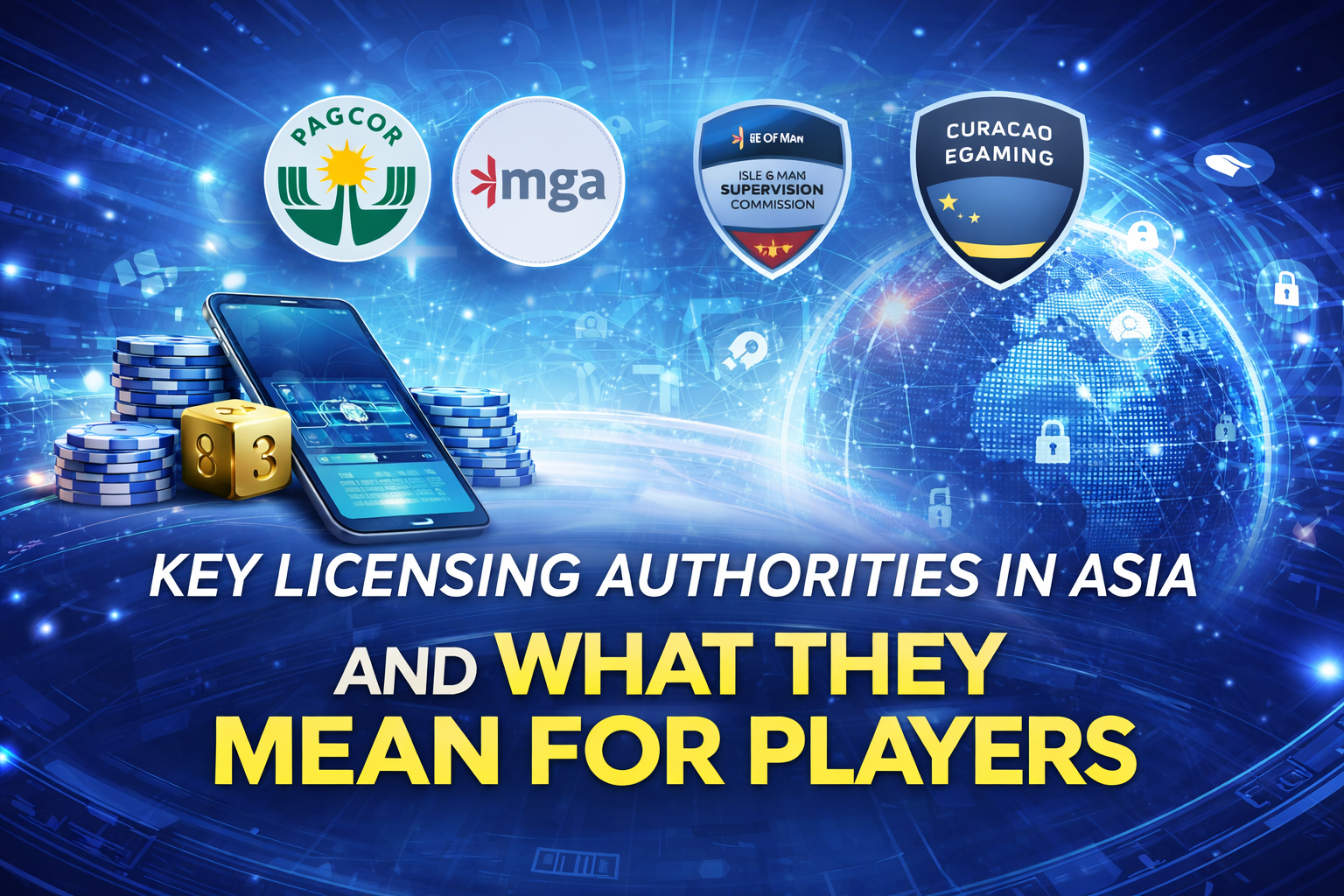
Philippine Amusement and Gaming Corporation (PAGCOR)
The Philippine Amusement and Gaming Corporation is one of the most recognized regulatory bodies in Asia. It oversees both land-based and online gaming operations, ensuring compliance with national laws and industry standards.
PAGCOR-licensed platforms are required to maintain strict operational controls, making them a common choice for players seeking regulated environments.
Isle of Man Gambling Supervision Commission
While not based in Asia, the Isle of Man Gambling Supervision Commission has a significant influence on platforms operating in the region.
Known for its rigorous standards, this authority emphasizes player fund protection and technical integrity, often requiring operators to undergo independent audits.
Curacao eGaming
Curacao eGaming is widely used by international platforms due to its accessibility and streamlined licensing process.
While it offers flexibility for operators, players should still ensure that platforms meet additional trust indicators, such as transparent policies and reliable customer support.
Malta Gaming Authority (MGA)
The Malta Gaming Authority is considered one of the most reputable licensing bodies globally. Many platforms serving Asian players operate under MGA licenses due to its strong emphasis on fairness and player protection.
MGA-licensed platforms must comply with strict rules regarding game integrity, financial reporting, and dispute resolution.
How Licensing Impacts Player Experience
For players, the presence of a valid license translates into a more secure and predictable experience. Licensed platforms are required to:
- Use certified random number generators
- Provide clear terms and conditions
- Offer dispute resolution channels
- Ensure timely processing of transactions
These factors contribute to overall confidence when engaging with a platform.
Transparency and Trust
Licensing authorities require operators to maintain transparency in their operations. This includes clearly displaying licensing information, publishing policies, and providing accessible customer support.
Players should always verify licensing details directly on official authority websites when possible.
Red Flags to Watch For
Even with the presence of licensing claims, players should remain cautious. Some platforms may display misleading or outdated information.
Key warning signs include:
- Unverifiable licensing details
- Lack of clear terms and policies
- Poor customer support responsiveness
- Unusual delays in transactions
Being aware of these indicators can help players avoid unnecessary risks.
The Growing Importance of Compliance
As regulatory expectations increase, operators are placing greater emphasis on compliance. This includes adopting advanced monitoring systems and aligning with international standards.
Compliance is no longer just about meeting minimum requirements—it is about building long-term trust with players and maintaining operational credibility.
Technology Supporting Regulation
Modern platforms are leveraging technology to meet licensing requirements more effectively. From automated verification systems to real-time monitoring, these innovations enhance both security and efficiency.
This trend reflects a broader shift toward integrating regulation with technological advancement.
Choosing the Right Platform
For players, selecting a licensed platform is one of the most important steps toward a positive gaming experience. Beyond licensing, consider factors such as platform reputation, user feedback, and available support channels.
Resources like Gambling Therapy can also provide guidance on safe gaming practices and help players make informed decisions.
Building Confidence Through Regulation
Licensing authorities play a vital role in shaping the online gaming landscape. Their oversight ensures that platforms operate within defined standards, creating a safer and more transparent environment for players.
As the industry continues to evolve, the importance of licensing will only grow. By understanding how these authorities function, players can navigate the gaming space with greater confidence and awareness.