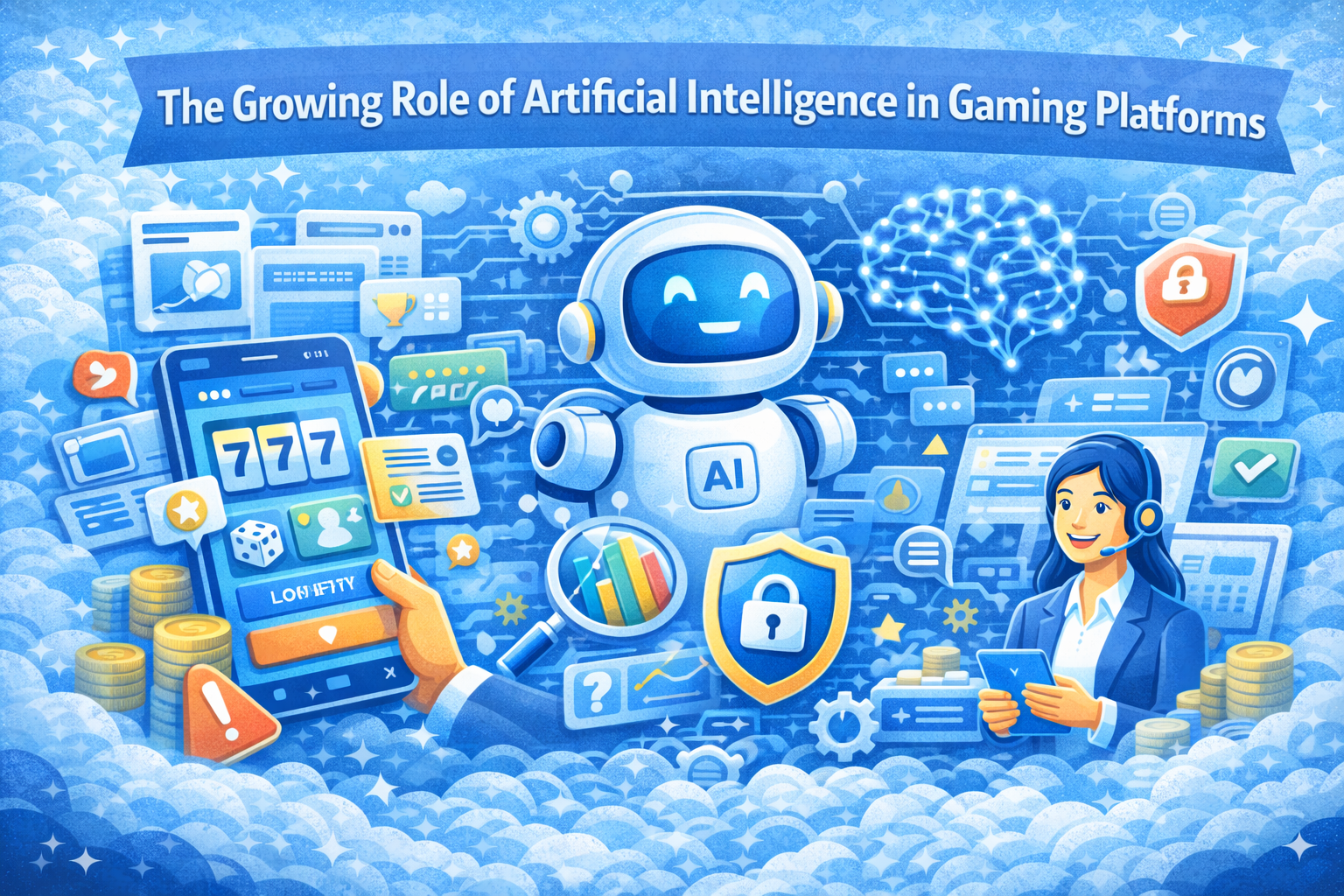
The Growing Role of Artificial Intelligence in Gaming Platforms
Artificial intelligence (AI) has become one of the most influential forces shaping digital platforms in 2026. Across the gaming industry, AI is no longer a supporting feature—it is a core component that enhances user experience, improves operational efficiency, and enables smarter decision-making.
As platforms continue to evolve, AI is playing a key role in delivering more personalized, responsive, and secure environments for users.
Understanding AI in Modern Gaming Platforms
AI refers to systems that can analyze data, learn from patterns, and make decisions with minimal human intervention. In gaming platforms, AI is used to improve both front-end user experiences and back-end operations.
From personalized recommendations to fraud detection, AI is integrated into multiple layers of the platform ecosystem.
Personalization and User Experience
Smart Content Recommendations
AI analyzes user behavior to suggest relevant content, making it easier for users to discover features that match their preferences.
Adaptive Interfaces
Interfaces can adjust dynamically based on user habits, improving navigation and engagement.
Customized Notifications
Platforms can deliver targeted updates and alerts, ensuring users receive information that is relevant to them.
Research from McKinsey Digital highlights how AI-driven personalization enhances user satisfaction and retention.
AI in Security and Risk Management
Fraud Detection
AI systems can identify unusual patterns and flag potential risks in real time, helping platforms prevent unauthorized activities.
Account Protection
Machine learning models continuously monitor login behavior to detect suspicious access attempts.
Data Protection
AI enhances security frameworks by identifying vulnerabilities and responding to threats more efficiently.
Guidelines from CISA emphasize the importance of advanced technologies in strengthening cybersecurity.
Operational Efficiency Through Automation
Customer Support Automation
AI-powered chat systems provide instant responses to common inquiries, improving response times and user satisfaction.
Data Analysis and Insights
AI processes large volumes of data quickly, allowing platforms to make informed decisions based on real-time insights.
Process Optimization
Automated workflows reduce manual effort and improve operational efficiency.
Enhancing Engagement Through AI
Behavioral Predictions
AI can predict user behavior and adjust platform features accordingly, creating a more engaging experience.
Dynamic Content Delivery
Content can be updated in real time based on user interactions, keeping the experience fresh and relevant.
Challenges and Considerations
Data Privacy
AI relies on data, making privacy protection a critical concern. Platforms must ensure that data is handled responsibly.
Transparency
Users should understand how AI systems influence their experience, promoting trust and accountability.
Ethical Use of AI
Responsible implementation of AI is essential to avoid bias and ensure fair outcomes.
The Future of AI in Gaming Platforms
As AI technology continues to advance, its role in gaming platforms is expected to expand further. Future developments may include more sophisticated personalization, improved predictive models, and enhanced automation capabilities.
Insights from OECD AI Policy Observatory highlight the importance of balancing innovation with ethical considerations.
Creating Smarter and More Adaptive Experiences
Artificial intelligence is transforming how gaming platforms operate and interact with users. By leveraging AI effectively, platforms can deliver experiences that are more intuitive, secure, and engaging.
As the industry continues to evolve, AI will remain a key driver of innovation, shaping the future of digital gaming in meaningful ways.